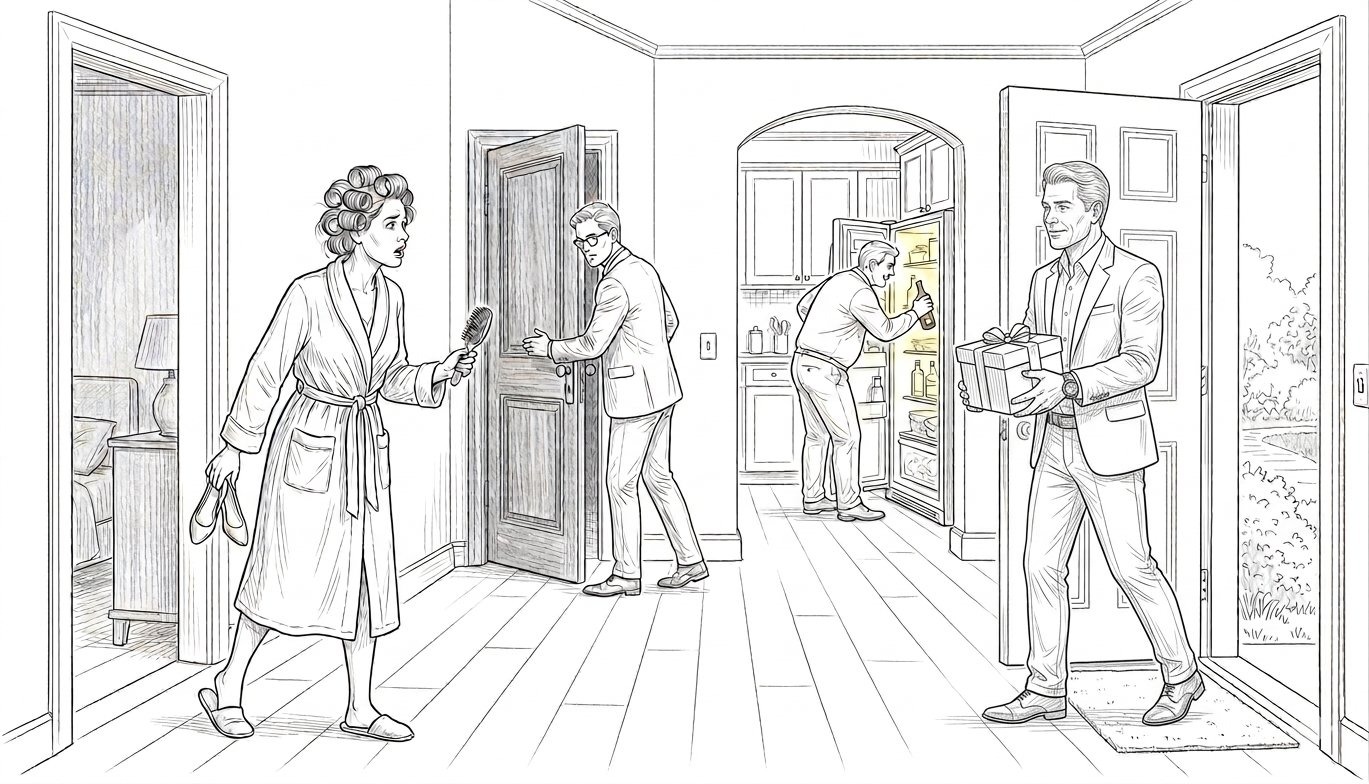
Nobody wrote them down.
That is the first thing to understand about the rules that govern being a guest. They were not drafted by a committee or published in a manual or taught in a class that everyone attended. They exist in the space between people who were raised with the same quiet understanding that some things are done and some things are not, and they function perfectly well in that space without ever being made explicit.
The trouble begins when someone arrives in the room who was not raised with that understanding.
This is not always their fault. The rules are not universal. They vary by culture and class and country and the habits of a household. What is considered polite in one home is considered cold in another. What one host interprets as attentive, another reads as invasive. The rules that need no explanation in one room require a great deal of explanation in a room across the city or the world or the social divide.
But there is a set of rules that transcends all of this. Rules so basic, so rooted in the simple recognition that you are in someone else's space and that space deserves a form of respect, that they apply everywhere regardless of culture or background or the habits of the host.
You do not arrive and immediately begin to criticise. Not the food, not the furniture, not the location, not the choices the host has made about how to run their own home. You are a guest. The home was not designed for your approval.
You do not take more than your share. Of the food, of the drink, of the conversation, of the host's attention. A gathering is not a personal service.
You do not make the host's job harder. This covers a range of behaviour too wide to list, but the principle is simple enough. The host is already managing something. Your role is to be part of what they are managing gracefully, not to add to the workload.
You leave when it is time to leave. Not when you feel like it. Not after the third clear signal has been ignored. When it is time.
None of this is complicated. All of it, in a room where someone has not absorbed it, becomes very complicated very quickly. The host who finds themselves explaining a rule that should not need explaining is already in a diminished version of the evening they planned. The guest who requires the explanation has already taken something.
The guest who knows the rules without being told is a rare and welcome thing. They make the evening feel effortless in a way that is not effortless at all. What the first five minutes look like when that guest walks in is a chapter of its own.